

Revitalizing Community Capital: A Framework for Implementing Waqf-Based Social and Economic Initiatives in American Muslim Communities
A framework for leveraging the traditional Islamic institution of the Waqf to build enduring capital projects and social services in American Muslim communities.
"The socio-economic vitality of American Muslim communities is hampered by a strategic vulnerability: a widespread reliance on cyclical, donation-based fundraising. This model, while born of generosity, exposes critical institutions to donor fatigue and economic instability, hindering long-term planning and growth."— Executive Summary
1.0 Introduction: Charting a Course for Sustainable Community Empowerment
To build truly resilient communities, a paradigm shift is required—from temporary charity to perpetual social investment. This document presents a high-level framework for leveraging the traditional Islamic institution of the Waqf to solve this core challenge by building enduring capital projects and social services. The purpose of this framework is to serve as a strategic guide for community leaders and stakeholders, arguing for the adoption of the Waqf concept as an essential tool for securing generational sovereignty in the modern American landscape.
2.0 The Waqf: A Historical Foundation for Modern Philanthropy
The Waqf is not a modern invention but a time-tested model of social finance and community support that has adapted across centuries. Its legacy as a central institution of Islamic philanthropy provides a robust and proven foundation for contemporary efforts to create self-sustaining community assets.
3.0 A Modern Framework: Applying Waqf Principles
The strategic imperative for today's community leaders is to adapt the historical principles of the Waqf to the unique opportunities and challenges faced by Muslim communities in contemporary American urban environments. By translating this time-honored model into a modern financial framework, communities can move from a reliance on cyclical fundraising to a model of self-perpetuating asset generation.
4.0 Catalysts for a Prosperous Future
- ◆ Prosperity in Agriculture and Rural Economies: Supporting small and mid-size farms through fair pricing, cooperative distribution, and green infrastructure strengthens rural economies and ensures long-term national resilience.
- ◆ Financial Democracy and Access to Capital: Shared growth requires accessible financing through community development financial institutions and local investment funds, unlocking opportunity for entrepreneurs and minority communities.
- ◆ Innovation and the American Future: Innovation flourishes where barriers are low. Shared growth widens participation in technology, education, and entrepreneurship, encouraging local creators to shape the future.
About the Author
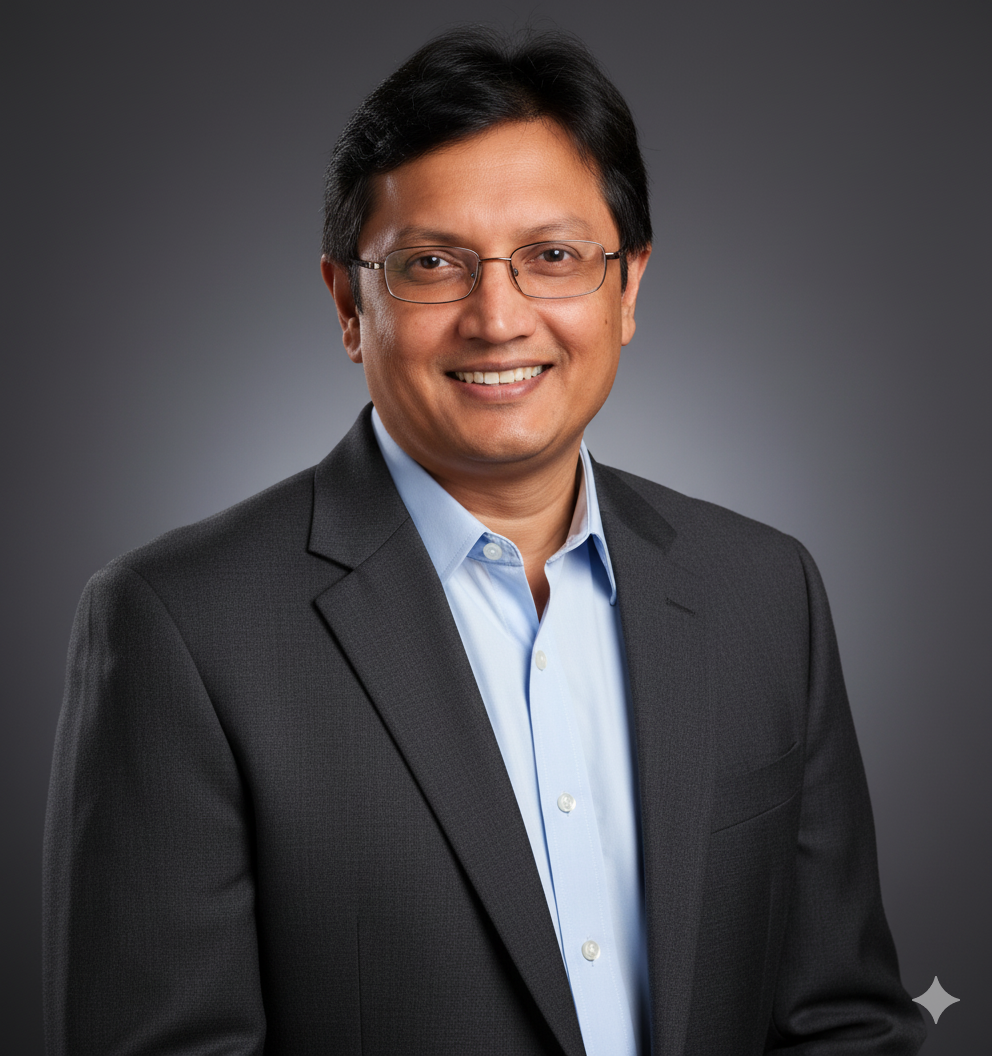
Ashif Jahan, MBA
Director & Chief Executive Officer
Ashif Jahan is a visionary executive leader with a 30-year track record of driving strategic growth and creating substantial stakeholder value. His unique synthesis of an MBA in Finance & Economics and a deep background in architecture provides a rare, ground-up expertise in capital-intensive development and investment.